

Key takeaways
Understanding Kids' Clothing Sizes can be Confusing
Baby and kids' clothing sizes can be confusing for reasons that aren't always obvious. Sizing varies from one brand to another, labels like 0-3M don't always match a baby's age, and it's easy to wonder whether 24M and 2T are actually the same thing - or what the "T" in 5T even means.
This size chart guide explains what each size label means, how baby and toddler sizing differs, and how to use a clothing size chart to choose the right fit with fewer surprises.
How Baby Sizes Work: 0-3M, 3-6M, 6-9M and 6-12M Explained
1. Baby sizes are based on a range, not an exact age
Baby clothing is usually labeled in age ranges rather than single months because babies grow at different speeds. A size like 0-3M is designed to fit babies from birth to around 3 months, while 3-6M, 6-9M, and 6-12M cover the stages that follow. The goal is to give babies enough room to move and grow instead of fitting perfectly for just a few weeks.
2. Height and weight matter more than age
Age is only a starting point. Most brands use height and weight to determine sizing because two babies born on the same day can have very different measurements. If your baby falls between sizes, compare their height and weight to the brand's size chart before choosing.
3. What's the difference between 0-3M and 3M?
Some brands use these labels interchangeably, but they don't always mean the same thing.
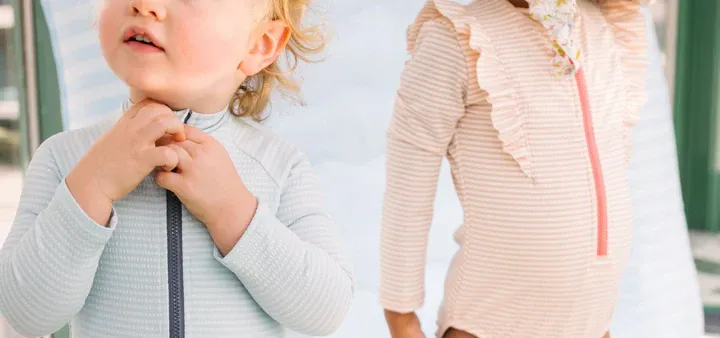
Baby Clothing Size Chart
| Size | Typical height | Typical weight |
|---|---|---|
| 0-3M | Up to 24 in | Up to 12.5 lb |
| 3-6M | 24-27 in | 12.5-17 lb |
| 6-9M | 27-28.5 in | 17-20 lb |
| 6-12M | 28.5-30.5 in | 20-24 lb |
| 12-18M | 30.5-32.5 in | 24-27 lb |
24M vs 2T: What is the Actual Difference?
Both sizes are designed for children around 2 years old, but they're made for different stages of development. While 24M is typically designed with diapers in mind, 2T is cut for toddlers who are becoming more active and may be potty training.
| 24 Months (24M) | 2T (Toddler) |
|---|---|
| Designed with extra room through the seat and crotch to fit a diaper | Cut slimmer through the seat with less room for a diaper |
| Many styles include snap closures for quick diaper changes | Pull-on waists are more common as potty training begins |
| Slightly shorter torso and inseam | Longer torso and legs to suit growing toddlers |
| Typically fits children who are 24–30 lb and 32–34 in tall | Typically fits children who are 26–32 lb and 33–36 in tall |
| Best for children who are still wearing diapers or between baby and toddler sizing | Best for children who are reliably out of diapers or have outgrown the length of 24M clothing |
Measurements vary by brand, so always check the size chart before buying.
What the T in 2T, 3T, 4T and 5T Actually Means
The "T" stands for "Toddler". Once children move beyond baby sizes like 24M, clothing switches to toddler sizing, which is designed for growing, more active kids. While age is part of the equation, height and weight are still the best way to choose the right size.
As the T sizes increase, the proportions change too. Clothing becomes longer through the torso and legs, the fit is generally slimmer, and diaper-friendly features like snap closures become less common. Each size is designed to give toddlers enough room to move while matching their changing proportions.
Most brands offer toddler sizes up to 5T. After that, children usually move into numbered kids' sizes, such as 4, 5, or 6, although the transition point can vary depending on the brand and your child's height and build.
Toddler Size Chart
| Size | Typical age | Typical height | Typical weight | Best for |
|---|---|---|---|---|
| 2T | 2 years | 33–36 in | 26–32 lb | Toddlers transitioning out of diapers |
| 3T | 3 years | 36–39 in | 30–34 lb | Growing toddlers needing extra length |
| 4T | 4 years | 39–42 in | 34–38 lb | Preschool-aged children with toddler proportions |
| 5T | 5 years | 42–45 in | 38–44 lb | Children who still fit toddler cuts before moving to kids' sizes |
Size ranges vary by brand, so use your child's height and weight as your primary guide.
5T vs size 5: Are they the Same?
5T and size 5 are similar in length, but they're designed with different body proportions in mind. If your child is outgrowing toddler fits or looks cramped in 5T, it may be time to move into kids' sizing.
| 5T | Size 5 |
|---|---|
| Cut with toddler proportions, including a slightly higher rise and roomier seat | Cut with kids' proportions, with a longer torso and a leaner fit through the hips |
| Typically fits children around 4-5 years old who are 39-43 in tall and 39-46 lb | Typically fits children around 5 years old who are 41-44 in tall and 41-48 lb |
| Ideal for children who still fit toddler-shaped clothing | Better for taller or leaner children who have outgrown toddler proportions |
| Often features softer fabrics, elastic waistbands, and simple pull-on styles | More likely to include structured details like button or zip closures |
| The final size in the toddler (T) range before moving to kids' sizes | The first step into standard kids' sizing (5, 6, 7, 8, and beyond) |
Pehr Picks for Every Size
100% GOTS-certified organic cotton, sized from newborn through age nine.
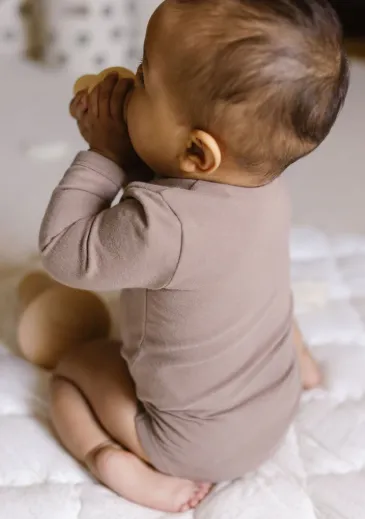
Pehr Essentials One-Piece
Soft, stretchy fabric with front and bottom snap closures for easy changes. Designed to move with your baby and layer comfortably through every season.
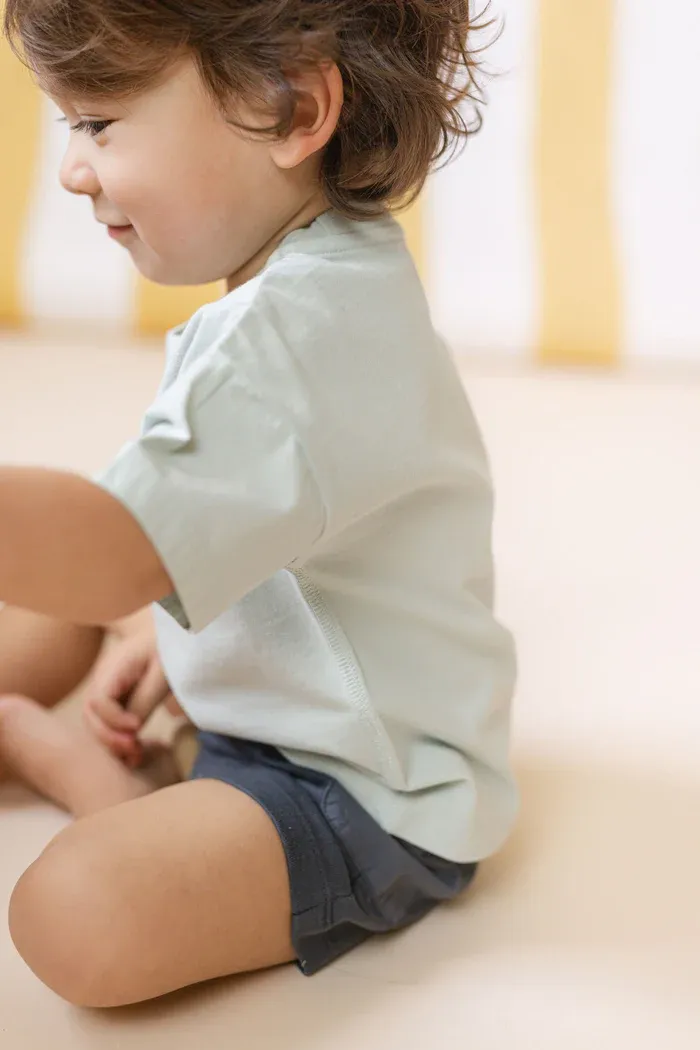
Pehr Garment Dye T-Shirt
Relaxed, unisex fit with dropped shoulders for easy movement. Designed to mix and match effortlessly with Pehr's Garment Dye, Check Mate, and Stripes Away collections for simple, everyday outfits.
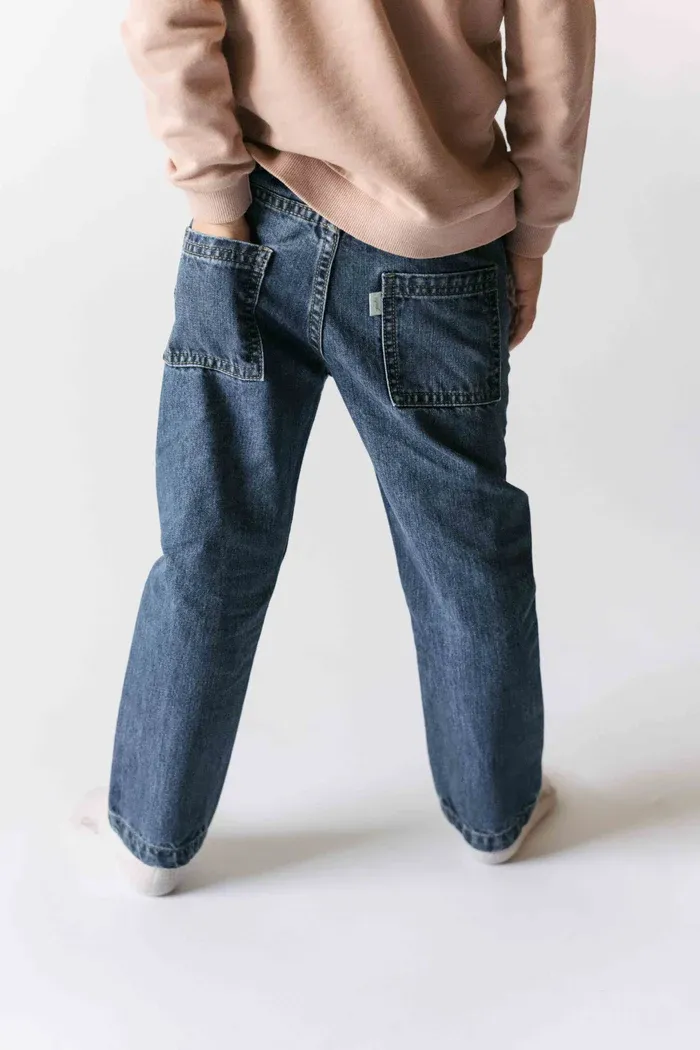
Pehr Kids Denim Jean
Soft on sensitive skin and made to last, with an elasticized waistband for easy dressing, a functional fly with branded snap, and plenty of pockets for little treasures. Designed to hold its shape through everyday wear, wash after wash.
Kids Clothing Size Chart by Age and Measurement
Pehr's size chart is based on the brand's own garment measurements to help you find the best fit. While age offers a helpful starting point, your child's height and weight are the most reliable indicators when choosing a size.
| Size | Typical age | Key fit note |
|---|---|---|
| Newborn | Newborn | Designed for a baby's first weeks with a comfortable, easy-to-layer fit. |
| 0-3M | 0-3 months | Roomy enough for early growth and everyday movement. |
| 3-6M | 3-6 months | Comfortable fit for growing babies and active play. |
| 6-12M | 6-12 months | Extra room for crawling, rolling, and first milestones. |
| 12-18M | 12-18 months | Designed for little ones who are standing and exploring. |
| 18-24M | 18-24 months | A transitional fit with room for growing toddlers. |
| 24M | Around 2 years | Designed with diaper-friendly proportions. |
| 2T | Around 2 years | Slimmer fit for toddlers transitioning out of diapers. |
| 3T | Around 3 years | Longer through the body and legs for growing toddlers. |
| 4T | Around 4 years | Toddler fit with added length and everyday comfort. |
| 5T | Around 5 years | Final toddler size before moving to kids' sizing. |
| 6 | 6-7 years | Everyday fit designed for active kids. |
| 7 | 7-8 years | More length through the body and legs for growing children. |
| 8 | Around 8 years | Comfortable fit for older kids with room to move. |
5 things that affect fit more than the size label
The number on the tag is only the starting point. These five factors have a much bigger impact on how clothing fits your child.
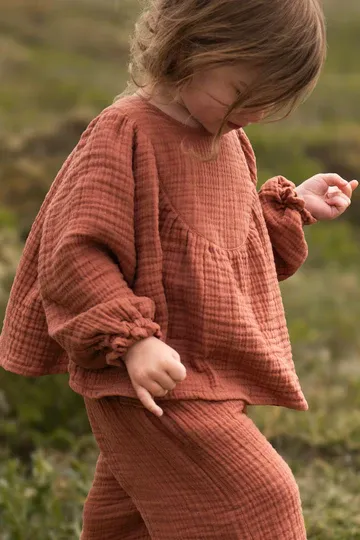
Designed for Every Stage of Childhood
The best-loved pieces are the ones children reach for every day. Thoughtfully designed in GOTS-certified organic cotton, Pehr's collections are made for morning cuddles, first steps, muddy adventures, and everything in between.
Soft fabrics, timeless colors, and easy-to-wear silhouettes make getting dressed simple, while quality craftsmanship means every piece is made to be worn, washed, and loved again and again.
From newborn essentials to everyday styles for growing kids, each collection is designed with comfort, longevity, and childhood in mind.

"Children are constantly growing, climbing, stretching, and exploring. Our clothing is designed to move with them, using GOTS-certified organic cotton that feels soft, fits comfortably, and stands up to everyday wear."
Jen Kelly, Co-Founder & Co-CEO at Pehr
The Size Label is a Starting Point, Not a Rule
Kids don't all grow at the same pace, and clothing sizes aren't standardized across brands. That's why the best fit comes from using your child's height and weight alongside the size chart, not just the number on the tag.
Pehr makes that process simpler with a consistent sizing system that grows with your child from newborn through 8 years. Crafted from GOTS-certified organic cotton that's designed to hold its shape, each piece is made to fit comfortably through every stage of childhood.
If you're deciding between two sizes, follow one simple rule: when your child is at the top of a size range, size up. They'll have a little more room to grow, and you'll get more wear out of every piece.
Shop Pehr in Your Child's Size
Find everyday essentials in the right size, thoughtfully designed to grow with your child from newborn to 8 years.
Shop baby clothesKids Clothing Sizes: Your Questions Answered
When do kids stop wearing toddler sizes?+
How should toddler clothes fit?+
What fabrics are safest and most comfortable for baby clothing?+

Emily Blyan
Marketing Manager
Emily Blyan is a seasoned marketing professional and a dedicated mom. Holding a master's degree in fashion, she has developed deep personal connections and commercial expertise with various Canadian retailers and forward-thinking organizations. Her graduate research focused on digital narratives, which has gained renewed relevance through her role at Pehr, where she currently serves as Director of Marketing.